

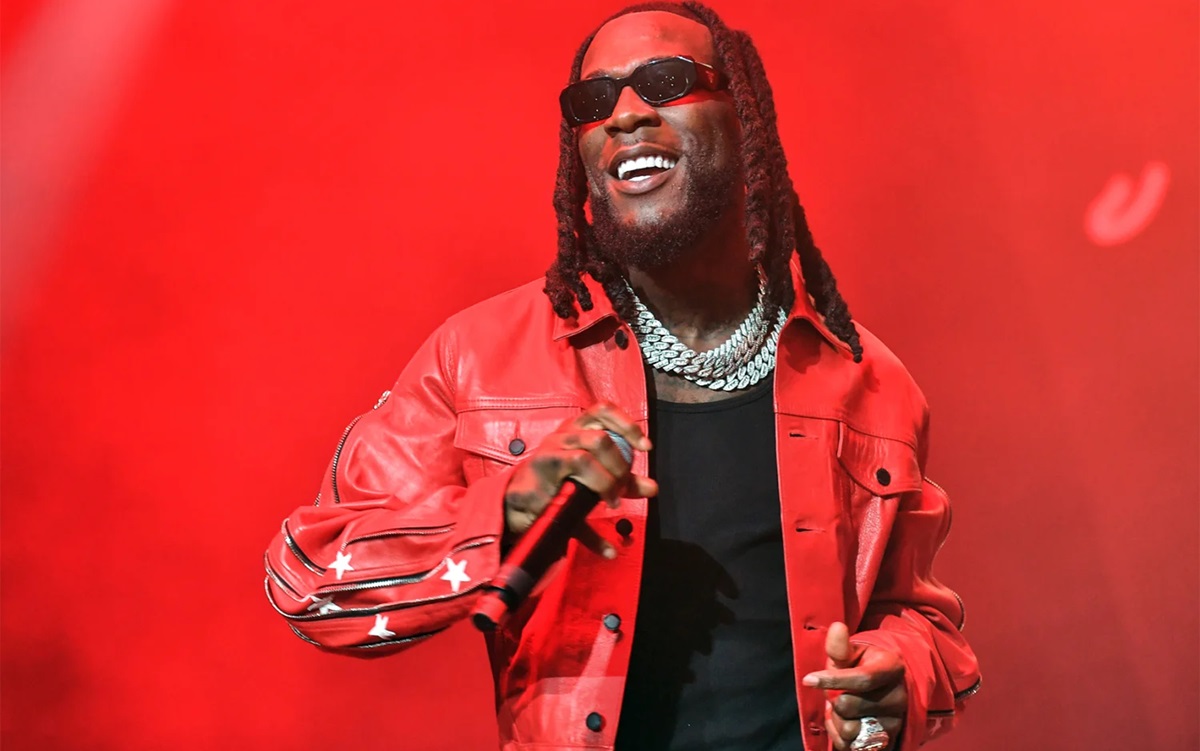
Nigerian music occupies a central place in both Africa’s cultural heritage and the contemporary global music landscape. Rooted in diverse ethnic traditions and shaped by historical and social currents, Nigeria’s soundscapes have long reflected the country’s complexity: multilingualism, urbanization, political change, and diasporic exchange. Over recent decades, Nigerian artists and producers have not only consolidated a rich domestic industry but also exerted outsized influence on popular music worldwide.

Historical and Cultural Foundations The musical traditions of Nigeria are extraordinarily diverse. Indigenous genres—Yoruba apala and juju, Igbo highlife and ogene, Hausa rhythms and praise-singing—provided foundational melodic, harmonic, and rhythmic vocabularies. Instruments such as talking drums, udu, goje, and various flutes and percussion shaped polyrhythmic structures and call-and-response forms that remain audible in contemporary compositions. Colonial and postcolonial encounters introduced brass bands, gospel, and Western harmonic models, which artists adapted to local aesthetic sensibilities.
Highlife and Afrobeat: Pioneering Modern Forms In the mid-20th century, highlife enjoyed wide popularity across West Africa, fusing African melodic patterns with Western guitars and horn sections. Nigeria’s own innovations soon followed. Fela Kuti’s creation of Afrobeat in the late 1960s and 1970s stands as one of the country’s most consequential contributions to global music. Combining complex polyrhythms, extended grooves, jazz-influenced horn arranging, and politically incisive lyrics, Afrobeat became both an artistic and activist vehicle. Its legacy endures—not only through direct Afrobeat revivalists but also through contemporary artists who sample its motifs or adopt its expansive approach to rhythm and arrangement.
The Contemporary Era: Afrobeats and Global Pop Since the early 2000s, the term “Afrobeats” (note the plural) has arisen to describe a broad, commercially oriented sound that blends West African rhythmic elements with hip-hop, R&B, dancehall, and electronic production techniques. Unlike Afrobeat, Afrobeats is a catch-all for chart-oriented songs that prioritize melodic hooks, danceable grooves, and modern studio polish. Artists such as D’banj, Wizkid, Davido, Burna Boy, Tiwa Savage, and Yemi Alade—among many others—have driven the genre’s international ascent. Strategic collaborations with American, British, and Caribbean artists, along with the rise of streaming platforms and African diasporic networks, have amplified Nigerian music’s reach. Notably, Nigerian songs now routinely chart internationally and feature in mainstream playlists and festivals.
Industry Infrastructure and Innovation Nigerian music’s global rise has been underpinned by an increasingly sophisticated domestic ecosystem. Independent labels, artist-managed enterprises, and internationally oriented promoters have emerged alongside streaming services to commercialize and export Nigerian talent. Producers—often as influential as front-line artists—have innovated distinctive rhythmic signatures and production textures that define many contemporary hits. Additionally, music videos, visual storytelling, and fashion have played integral roles in constructing artist brands that appeal across cultural boundaries.
Social Commentary and Identity Beyond entertainment and commerce, Nigerian music frequently engages with social and political themes. From Afrobeat’s explicit dissent to contemporary songs addressing corruption, migration, inequality, and identity, musicians serve both as chroniclers and critics of their times. Language choice—between English, Pidgin, and indigenous tongues—allows artists to navigate local authenticity and global accessibility. This linguistic fluidity enhances music’s communicative power, enabling songs to speak to local audiences while resonating internationally.
Challenges and Opportunities Despite its successes, the Nigerian music industry faces structural challenges. Copyright enforcement, equitable royalty distribution, and piracy remain concerns. Infrastructure limitations—such as inconsistent electricity and underdeveloped live-music circuits outside major cities—also constrain growth. Nevertheless, opportunities are abundant: expanding internet penetration, partnerships with global labels and platforms, and growing international appetite for diverse sounds all point to continued expansion. Investment in local rights organizations, transparent contracts, and professional development for artists and managers would further strengthen the sector.
Conclusion Nigerian music today is a dynamic amalgam of tradition and innovation. Its historical depth, rhythmic complexity, and capacity for reinvention have enabled it to transcend geographic boundaries and shape contemporary popular music. As artists, producers, and industry stakeholders navigate persistent challenges, the trajectory remains promising: Nigerian music will likely continue to be a defining voice of African creativity and an influential force in global culture.