

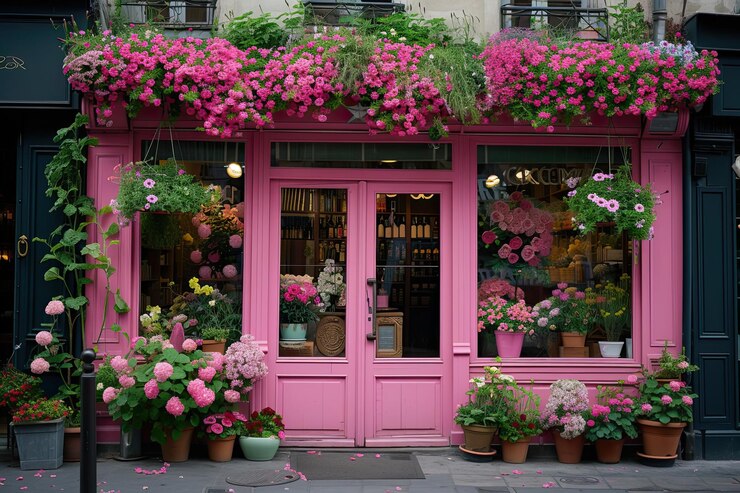
Flowers have fascinated humanity for millennia. Their vivid colors, delicate structures, and ephemeral presence inspire art, literature, religion, and science. Beyond their aesthetic appeal, flowers play essential roles in ecosystems, agriculture, and cultural practice. This essay examines the biology of flowers, their ecological and economic importance, and their enduring symbolic significance.
Biology and diversity Flowers are the reproductive structures of angiosperms (flowering plants). Structurally, a typical flower comprises sepals, petals, stamens (male organs), and carpels or pistils (female organs). These elements are arranged in myriad configurations across more than 300,000 species of angiosperms, resulting in a vast diversity of forms, colors, sizes, and fragrances. This diversity reflects evolutionary adaptation to specific pollination strategies: some flowers attract bees with ultraviolet patterns and nectar guides, others entice moths and bats through nocturnal scent and pale coloration, while still others rely on wind or water for pollen dispersal.
Ecological roles Flowers are central to terrestrial ecosystems because they enable sexual reproduction and generate the fruits and seeds that sustain many animal species. Pollinators—bees, butterflies, birds, bats, and a host of other insects—depend on floral resources for nutrition. In turn, pollinators facilitate plant reproduction, creating a mutualistic network crucial for biodiversity. Declines in pollinator populations, driven by habitat loss, pesticides, and disease, therefore pose serious threats to ecosystem stability and agricultural productivity.
Economic importance Flowers contribute substantially to human economies. Horticulture, floriculture, and cut-flower industries supply ornamental plants and bouquets for domestic, ceremonial, and commercial use. Many fruit, vegetable, and oilseed crops rely on insect pollination; the economic value of pollination services runs into the hundreds of billions of dollars globally. Additionally, flowers are sources of materials for perfumery, dyes, and traditional medicines. The careful cultivation of flowering plants—through breeding for disease resistance, extended bloom time, and visual traits—continues to drive agricultural research and trade.
Cultural and symbolic significance Across cultures, flowers carry rich symbolic meanings. They mark life’s milestones: births, weddings, and funerals; they articulate sentiments—love, mourning, gratitude—and function in ritual and religious observance. The language of flowers, or floriography, developed particularly during the Victorian era, allowed people to convey nuanced messages through floral choices. National and local identities are often expressed through floral emblems—cherry blossoms in Japan, roses in England, and lotus in parts of Asia—underscoring flowers’ capacity to embody collective values.

Conservation and stewardship The beauty and utility of flowers make their conservation a matter of both ethical and practical concern. Habitat loss, invasive species, climate change, and pollution threaten many flowering plants and the pollinators they depend on. Conservation strategies include protecting habitats, restoring native plant communities, promoting pollinator-friendly gardening, and reducing pesticide usage. Urban and community initiatives—such as establishing wildflower meadows, green corridors, and rooftop gardens—can foster biodiversity while enriching human environments.
Conclusion Flowers are much more than ornamental objects. They are vital biological structures that drive reproduction in the largest group of land plants, underpin complex ecological relationships, support economies, and carry profound cultural meanings. Appreciating flowers through the lenses of science, conservation, and culture deepens our understanding of the natural world and highlights the responsibilities we bear in preserving it for future generations.