

Nigeria’s financial services sector is undergoing a bold transformation as fintech companies reshape customer expectations across the country. Emerging trends show that digital-first platforms are increasingly outpacing traditional banks in delivering fast, seamless, and user-centric experiences that resonate with both everyday Nigerians and businesses. The era of long queues, slow processing times, and rigid banking procedures is fading, as agile fintech players force conventional banks to rethink strategies to retain relevance and customer loyalty.
Fintechs Win on Speed, Simplicity, and Customer Satisfaction
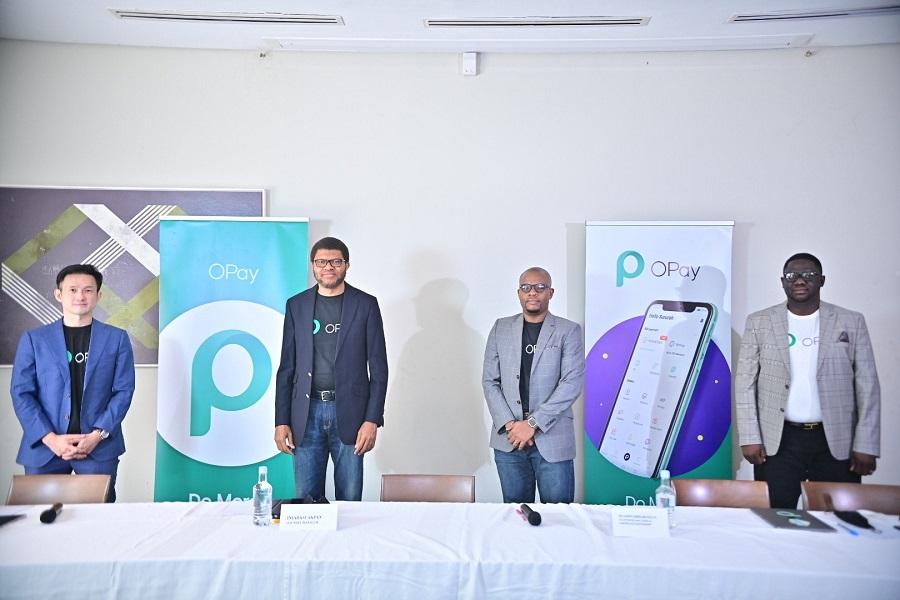
According to the latest KPMG West Africa Banking Industry Customer Experience Survey, fintech firms consistently topped customer experience ratings, outperforming traditional banks across key performance metrics. Mobile-first services such as Opay, PiggyVest, and others ranked highly, praised for intuitive interfaces, fast transfers, and frictionless onboarding.
These numbers reflect real-life changes in how Nigerians interact with money daily. Many now rely on smartphones to pay bills, send instant transfers, and manage savings without stepping into a branch—a shift accelerated by the recent naira redesign crisis, which highlighted the limitations of cash-based banking.
What sets fintechs apart is their relentless focus on reducing customer effort. By leveraging automated compliance, real-time transactions, and user-friendly design, fintech apps deliver efficiency, clarity, and control. Traditional banks, often reliant on legacy systems, struggle to provide comparable speed and convenience.
Everyday users echo these insights across social and public forums. Complaints about slow app performance, delayed transfers, and complex interfaces highlight why many Nigerians prefer fintech platforms for routine financial tasks. Even improved bank apps are frequently perceived as slower and less intuitive, pushing customers toward digital alternatives.
Why Fintechs Are Surging in Popularity
The core driver of fintech adoption is convenience. From Lagos to Kano, customers appreciate the ability to complete financial transactions on their phones, bypassing long queues and cumbersome processes. This accessibility has made fintech particularly popular among youths and mass-market users who value flexibility.
Another subtle yet powerful advantage is perceived speed. Some fintech platforms confirm successful transactions instantly, even while backend processing continues. This builds user confidence and a sense of efficiency that traditional banks often struggle to match.
Fintech innovation in Nigeria also includes AI-powered personalization, contactless payments, and real-time fraud detection. These features enhance security, deliver tailored financial insights, and broaden access for previously underserved populations—driving digital financial inclusion and modernizing everyday banking experiences.
Small and medium-sized enterprises (SMEs) are also increasingly turning to fintech solutions for core financial functions. Around half of Nigerian SMEs now rely on fintech platforms for payments, payroll, credit, and cash flow management. This shift highlights the growing commercial imperative for banks to modernize.
Traditional Banks at a Crossroads
The rise of fintech doesn’t diminish the value of traditional banks entirely. Many still benefit from trust, regulatory compliance, and financial infrastructure. Older customers, corporate clients, and large depositors often prefer established banks for perceived safety and comprehensive services. Trust remains a key differentiator, even as fintech credibility grows among younger and lower-income users.
However, the experience gap is clear. Studies show that banks lag in rapid problem resolution and frictionless customer support—areas where fintechs excel. Where physical branches and reputational strength once dominated, banks now face pressure to modernize legacy systems and deliver digital experiences that meet evolving expectations.
Some banks are adapting. Partnerships with fintech firms, which combine regulatory depth with digital agility, are becoming more common. These hybrid strategies aim to merge stability with innovation, offering customers the best of both worlds.
What This Means for Consumers and the Future of Banking
For Nigerian consumers, the fintech revolution has already delivered tangible benefits: lower transaction costs, faster payments, mobile savings, and investment tools that often outperform traditional bank offerings. These developments enhance financial inclusion, economic participation, and the country’s digital economy.
Banks that fail to innovate risk losing ground as customers increasingly demand personalized, responsive, and digital-first experiences. Emerging technologies such as AI, alongside evolving customer expectations, will continue shaping the competitive dynamics of Nigeria’s financial sector.
One truth is undeniable: customer experience is now the battlefield for banking in Nigeria. Institutions that provide speed, transparency, reliability, and intuitive digital services will earn the loyalty of a generation that views banking not as a place to visit, but as a service embedded in everyday life.