

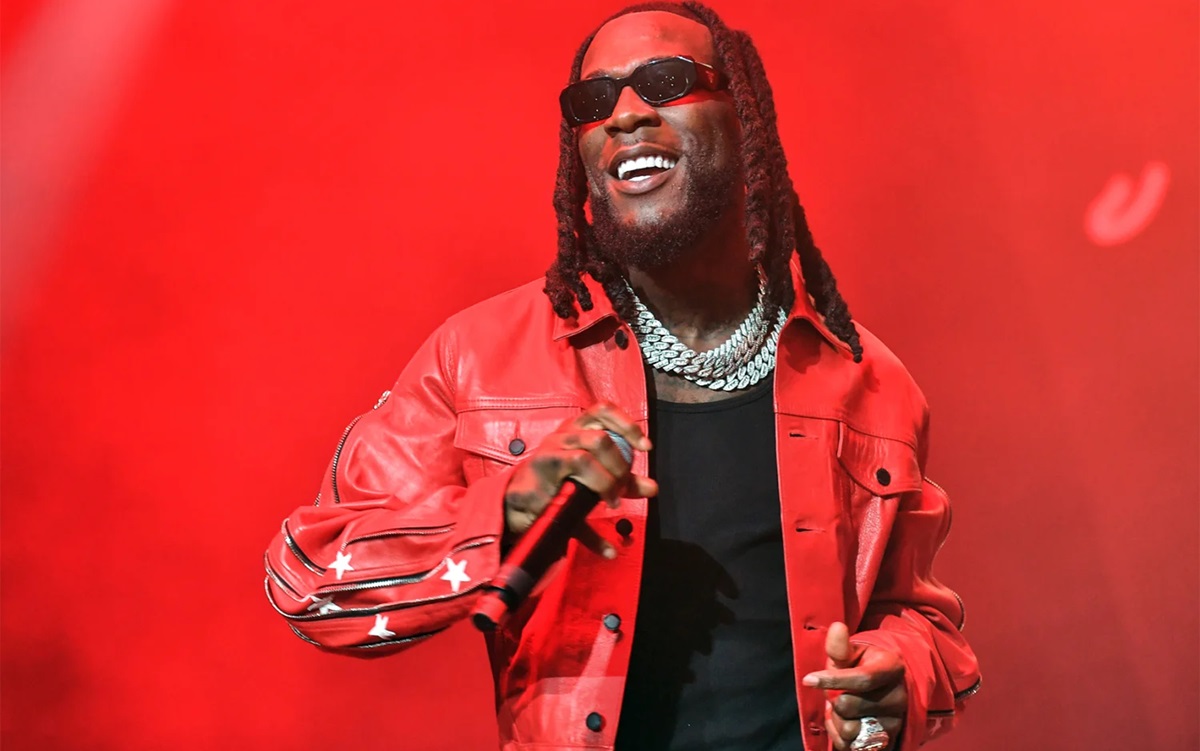
If you’ve listened to global playlists in the last decade, you’ve almost certainly bumped into Nigerian music — even if you didn’t realize it. What started as local rhythms and street vibes has morphed into a cultural export that’s reshaping popular music globally. Let’s take a casual stroll through how Nigerian sounds broke out, why they stick, and what’s next for this unstoppable musical wave.
From the streets to the world stage Nigerian music has deep, varied roots: highlife and juju from earlier generations, Afrobeat pioneered by Fela Kuti with its political punch and hypnotic grooves, and more contemporary blends like Afrobeats (note the “s”) that mix pop, hip-hop, dancehall, and R&B with West African rhythms. What changed in recent years is scale and connectivity. The internet, streaming platforms, and social media gave talented artists direct access to global audiences. Suddenly, a hit in Lagos could trend in London, New York, or Johannesburg.
The sound that travels What makes Nigerian music so contagious? A few simple things:
- Infectious rhythm: percussion-heavy beats and syncopation make the music instantly danceable.
- Melodic hooks: memorable choruses and singable lines that stick after one listen.
- Genre-blending: producers and artists borrow from global styles while keeping an unmistakable African heartbeat.
- Language play: mixes of English, Pidgin, and local languages make songs feel authentic and fresh.
Key players and breakout moments Over the past decade, several artists and moments pushed Nigerian music into the international spotlight:
- Wizkid’s collaborations with big Western stars and his chart-topping singles helped normalize Afrobeats on global radio.
- Burna Boy’s Grammy win and global tours showcased that Nigerian artists could headline festivals and arenas worldwide.
- Davido brought viral hits and major collaborations, helping Afrobeats cross over into mainstream pop.
- Tiwa Savage, Yemi Alade, and other female artists have carved out space, proving the movement is diverse and not just male-driven.
- Producers like Don Jazzy, Pheelz, and London’s P2J have been crucial, crafting sounds that appeal across markets.
Cultural exchange, not one-way export One reason Nigerian music feels so modern globally is that the exchange runs both ways. Western artists sample Afrobeats rhythms; Nigerian artists incorporate trap, reggaeton, and pop hooks. Collaborations are authentic partnerships, not token features — they’re creative conversations that influence both sides. The result: mainstream pop itself shifts to accommodate Afro-inspired rhythms, from dance floors to streaming charts.
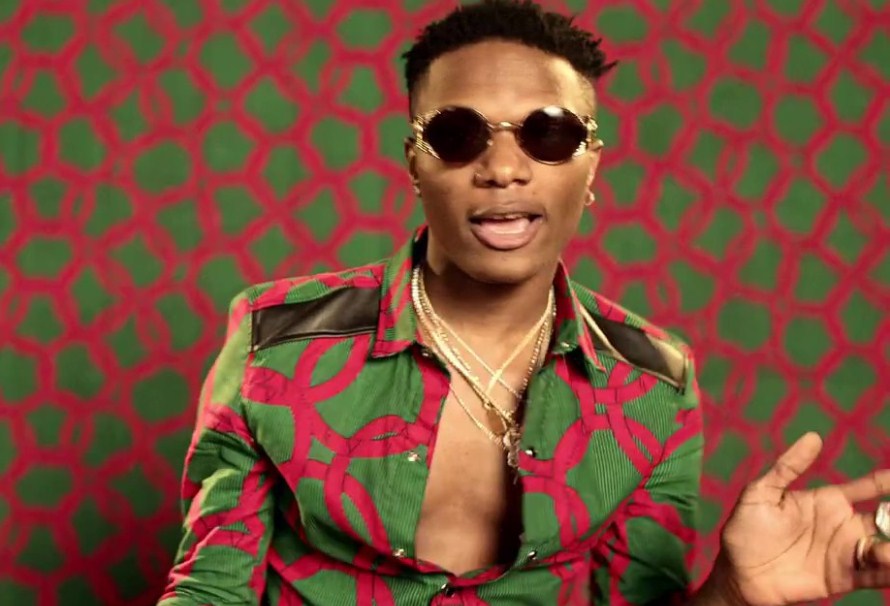
The role of visuals and fashion Music videos, fashion, and visuals have been a big part of the export. Vibrant videos, bold styling, and cultural motifs help songs stand out on platforms like YouTube and Instagram. Nigerian artists aren’t just exporting sound — they’re exporting aesthetics, language, and lifestyle.
Challenges and the road ahead The rise hasn’t been smooth. Issues remain: copyright disputes, royalty payment transparency, and infrastructure that limits how much local artists can monetize at home. Also, as Afrobeats gets global love, there’s the worry of over-commercialization or loss of local nuance.
But the trajectory is promising. We’re seeing more Nigerian artists sign with global labels while maintaining creative control, more high-profile festival bookings, and greater investment in local music infrastructure. Plus, the diaspora continues to be a huge bridge for exposure and collaboration.
Why this matters beyond music Nigerian music’s global rise is cultural soft power in action. It shapes perceptions, sparks interest in language and fashion, and creates economic opportunities — from streaming revenue to tourism. It also reshapes global pop culture conversations, making “African” a major, living component of contemporary music, not a niche.
Final note Nigerian music didn’t just arrive on the global scene — it reinvented parts of it. With infectious beats, fearless collaboration, and a deep well of creativity, Nigerian artists are doing more than topping playlists; they’re changing the soundtrack of our moment. If you haven’t taken a deep dive yet, start with a playlist of Afrobeats, Afropop, and modern Afrobeat — and be ready to press repeat.